Most strategy games let you command armies or manage resources. But kingdom building games on PC demand more: foresight, patience, and the ability to balance growth with survival. You're not just winning battles—you're shaping civilizations. One bad harvest, a poorly placed settlement, or a missed alliance can unravel decades of progress. That’s what makes these games endlessly compelling.
The best kingdom builders don’t hand you power. They force you to earn it—tile by tile, decision by decision. Whether you’re expanding a medieval fiefdom, surviving a post-apocalyptic winter, or founding a fantasy realm from scratch, the core loop is the same: plan, expand, defend, repeat. But the depth lies in the details—how labor is allocated, how diplomacy unfolds, how your people react when crops fail or bandits strike.
This isn’t about point-and-click convenience. This is strategy in its most immersive form.
Let’s break down what defines the genre, highlight standout titles, and show you how to choose the right game for your playstyle.
What Defines a True Kingdom Building
Game?
Kingdom building games go beyond city management. They merge resource management, territorial expansion, population dynamics, and often diplomacy or warfare into a cohesive simulation of governance. The goal isn’t merely survival—it’s legacy.
Key mechanics you’ll encounter:
- Territorial Expansion: Claim land, build outposts, and manage borders.
- Resource Chains: From raw materials to finished goods, every input matters.
- Population Management: Housing, food, morale, and labor allocation.
- Diplomacy & Warfare: Forge alliances, negotiate trade, or go to war.
- Long-Term Progression: Tech trees, cultural development, and infrastructure upgrades.
Games like Crusader Kings or Banished succeed because they treat the kingdom as a living system. Let one element fail—say, food supply—and the ripple effects crash the whole economy. That’s the appeal: complexity with consequence.
Contrast this with simpler base-building games where you spam walls and towers. Kingdom builders require you to think like a ruler, not just a manager.
Top Kingdom Building Games on PC That Reward Strategy
Not all kingdom builders are created equal. Some emphasize realism, others fantasy. Some thrive on micromanagement, others on grand-scale decisions. Here are five that stand out for depth, design, and sheer strategic weight.
1. Crusader Kings III – The
Diplomatic Power Game
Paradox’s masterpiece forces you to manage not just land, but lineage. You play as a ruler in the medieval world, where bloodlines, religion, and court intrigue matter as much as military strength.
Why it works: - Dynasty-focused gameplay: Your heirs, rivals, and vassals all have agendas. - Complex vassal system: Keep nobles happy or face rebellion. - Event-driven storytelling: Random events shape your reign in unexpected ways.
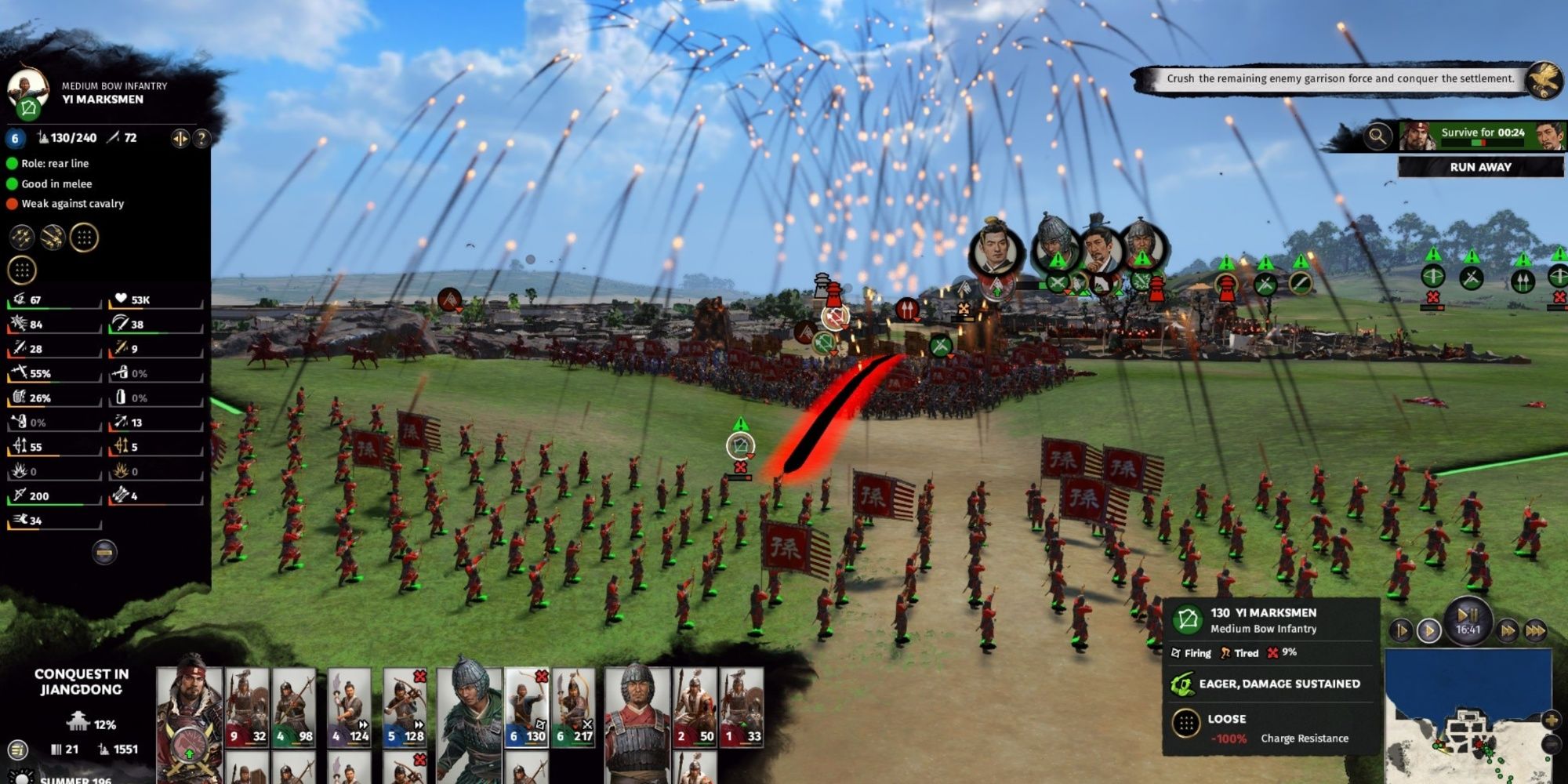
Real example: A player once spent 50 years building a peaceful realm—only for a single failed marriage proposal to spark a civil war. That’s the kind of consequence that defines CK3.
2. Mount & Blade II: Bannerlord – Build an Empire from Chaos
This sandbox RPG-strategy hybrid lets you rise from nobody to emperor through combat, trade, and diplomacy. The kingdom building mechanics are organic—your influence grows as you conquer towns, recruit lords, and manage fiefs.
Strategic depth: - Assign governors to settlements with different skill sets. - Balance tax rates to avoid unrest. - Train armies across multiple tiers, from militia to elite cavalry.
Common mistake: Overextending too early. Players often seize five towns in a month, then collapse under rebel uprisings and supply shortages.
3. Surviving Mars – Sci-Fi
Kingdom in the Harsh Red Dust
Anthem Studios’ survival city-builder transfers the kingdom concept to Mars. You’re not just building a colony—you’re ensuring human survival under extreme conditions.
Critical challenges: - Oxygen, water, and power management. - Dome-based city planning with population specialization. - Random disasters like dust storms and meteor strikes.
Tip: Don’t prioritize research too early. Focus on life support first—your scientists can’t study if they’re dead.
4. Banished – Simplicity with
Brutal Consequences
One of the purest kingdom builders. No combat. No magic. Just a group of exiled settlers trying to survive winter after winter.
Key mechanics: - Seasonal farming cycles. - Firewood and food storage. - Aging population with skill inheritance.
Hard lesson: Many players build homes too fast, only to starve because they didn’t plant enough crops. Growth must match sustainability.
5. Kingdoms and Castles –
Charming but Ruthless
A visually pleasing city-builder with a strong kingdom progression arc. Start with a wooden village, evolve into a fortified kingdom, and survive sieges, fires, and plagues.
What sets it apart: - Realistic disaster mechanics—fire spreads block by block. - Naval invasions require coastal defenses. - Peaceful mode available for non-combat builders.
Limitation: AI pathfinding can be clunky during attacks. But the charm and pacing make up for it.
Strategy Frameworks: How to Think Like a King
Winning in kingdom builders isn’t about speed—it’s about systems. Use these frameworks to avoid common pitfalls.
The Three-Layer Economy Model
Every kingdom runs on three interconnected layers:
- Resource Layer: Mining, farming, logging.
- Production Layer: Workshops, refineries, storage.
- Distribution Layer: Roads, trade routes, stockpiles.
Break one link, and the chain fails. Example: In Banished, building a toolmaker is pointless if you don’t have enough iron miners to supply it.
The 70% Expansion Rule
Never expand beyond 70% of your current capacity. New settlements drain resources from existing ones. Wait until you have surplus food, labor, and materials before claiming new land.
This rule saved one Bannerlord player from collapse after taking two towns too fast. By pausing for six in-game months to stabilize, they avoided vassal revolt.
Crisis Buffer System
Always maintain: - 3+ months of food reserves. - A mobile reserve army (even small). - Spare building materials stockpiled.
In Surviving Mars, a sudden sandstorm wiped out power grids—players without backup generators lost entire domes.
Hidden Challenges Most Players Ignore
Even seasoned strategists overlook these subtle but critical elements.
Morale and Happiness
In Crusader Kings III, unhappy vassals plot against you. In Banished, low happiness reduces work efficiency. Boost morale with festivals, housing upgrades, or religious buildings.
Labor Specialization
Don’t let all workers be generalists. Train blacksmiths, farmers, and guards separately. Specialized labor increases output and reduces mistakes.
Infrastructure Scaling
Roads, water pipes, power lines—these aren’t just cosmetic. Poor placement creates bottlenecks. In Kingdoms and Castles, fire spreads faster on narrow streets. Wide roads save lives.
Choosing the Right Game for Your Playstyle
Not every kingdom builder suits every player. Match the game to your preferences.
| Preference | Best Fit | Why |
|---|---|---|
| Deep politics & intrigue | Crusader Kings III | Vassal management, marriage alliances, scheming nobles |
| Military conquest | Mount & Blade II | Real-time battles, army customization, siege warfare |
| Survival focus | Banished | No combat, pure resource struggle |
| Sci-fi themes | Surviving Mars | Futuristic tech, automation, exploration |
| Relaxed pacing | Kingdoms and Castles | Gradual progression, low-pressure economy |
If you hate micromanagement, avoid Banished. Prefer epic scale? Crusader Kings III will absorb hundreds of hours.
Common Mistakes That Sink Kingdoms
Even smart players fail—often for predictable reasons.
- Overbuilding housing before securing food. Result? Starvation.
- Ignoring vassal opinion. In CK3, this leads to coups.
- Neglecting defense until it’s too late. Bandits, rebels, or invaders will exploit weak points.
- Chasing technology too early. Research is useless if your people are starving.
- Failing to save manually. Auto-saves often miss critical decision points.
Pro tip: Save before major events—coronations, battles, diplomatic meetings. Reload if things go sideways.
The Future of Kingdom Building Games
Emerging titles are blending genres in exciting ways. Project Justice aims to combine kingdom management with legal systems. Demeo introduces turn-based RPG elements into city governance. The trend? More simulation depth, more player agency.
Mods also extend longevity. CK3’s modding community has recreated everything from ancient Egypt to The Lord of the Rings. That replayability is rare in other genres.
Build Smarter, Not Faster
Kingdom building games on PC reward patience, systems thinking, and resilience. The best players aren’t the ones who expand fastest—they’re the ones who survive longest.
Pick a game that matches your appetite for complexity. Master the economy. Respect the consequences. And remember: every kingdom rises on strategy, not luck.
Choose your next move wisely. Your people are counting on you.




/cities-skylines-5a0ef1eabeba3300375673ba.png)
